Напрямки

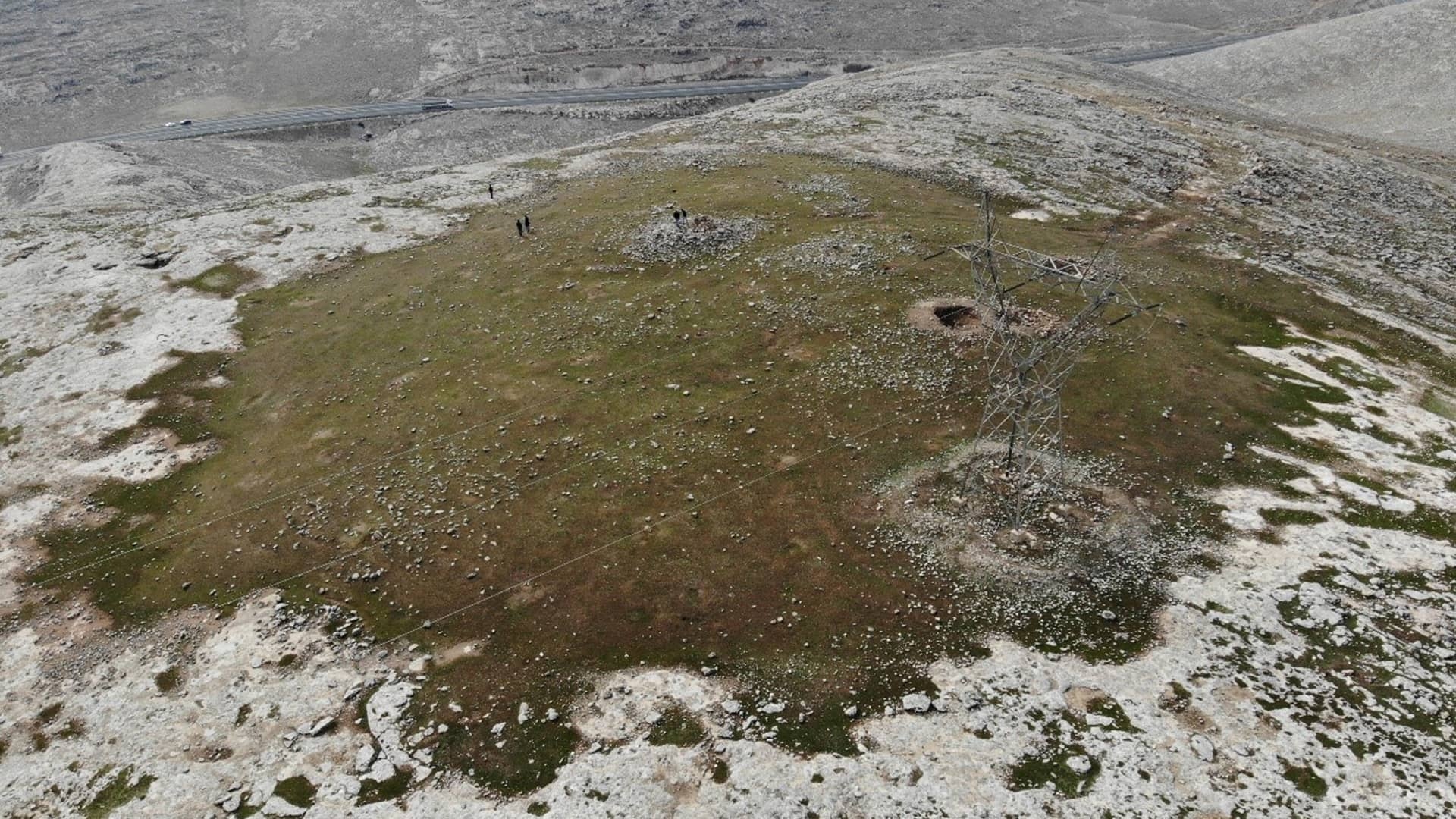
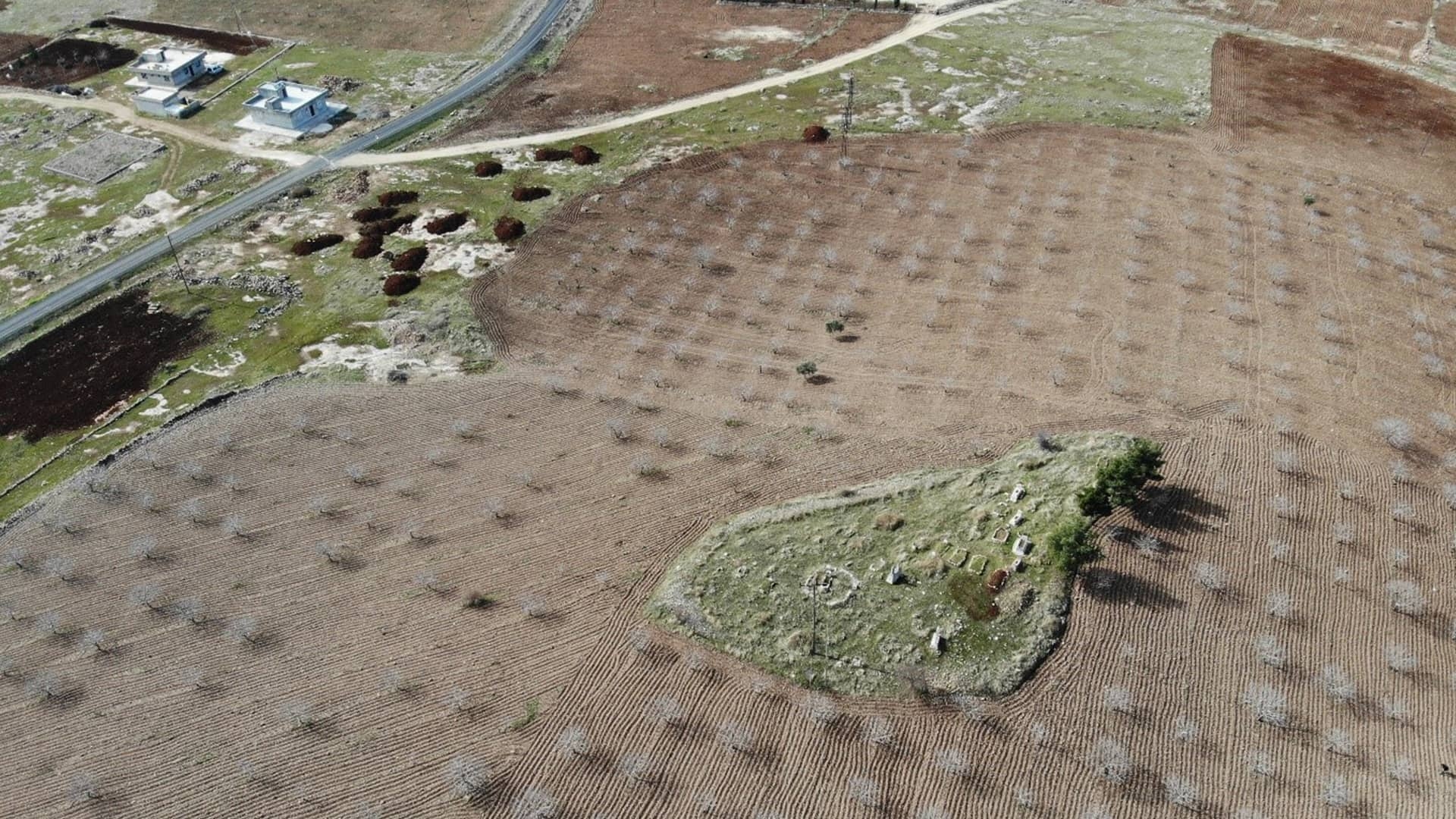
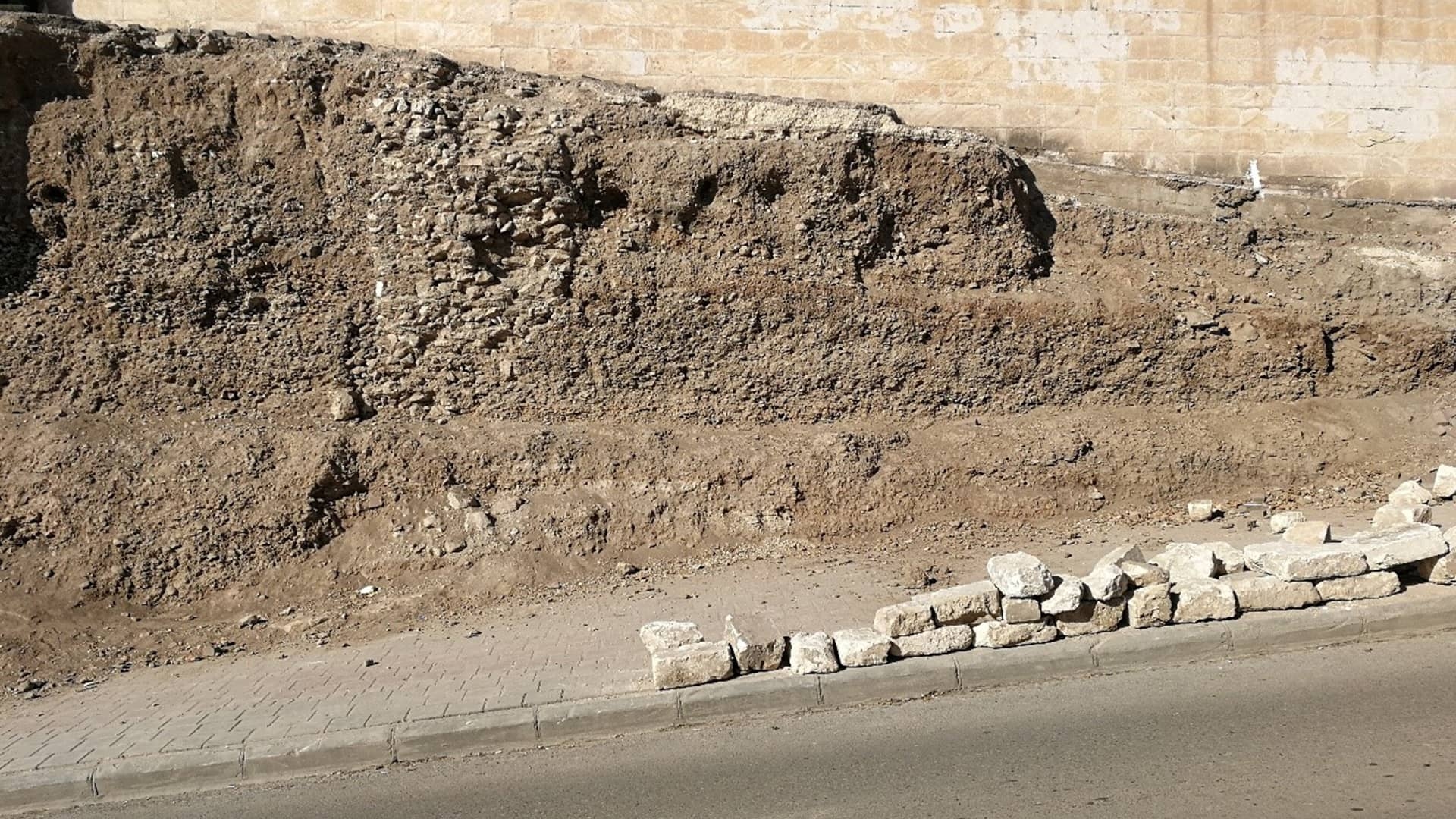
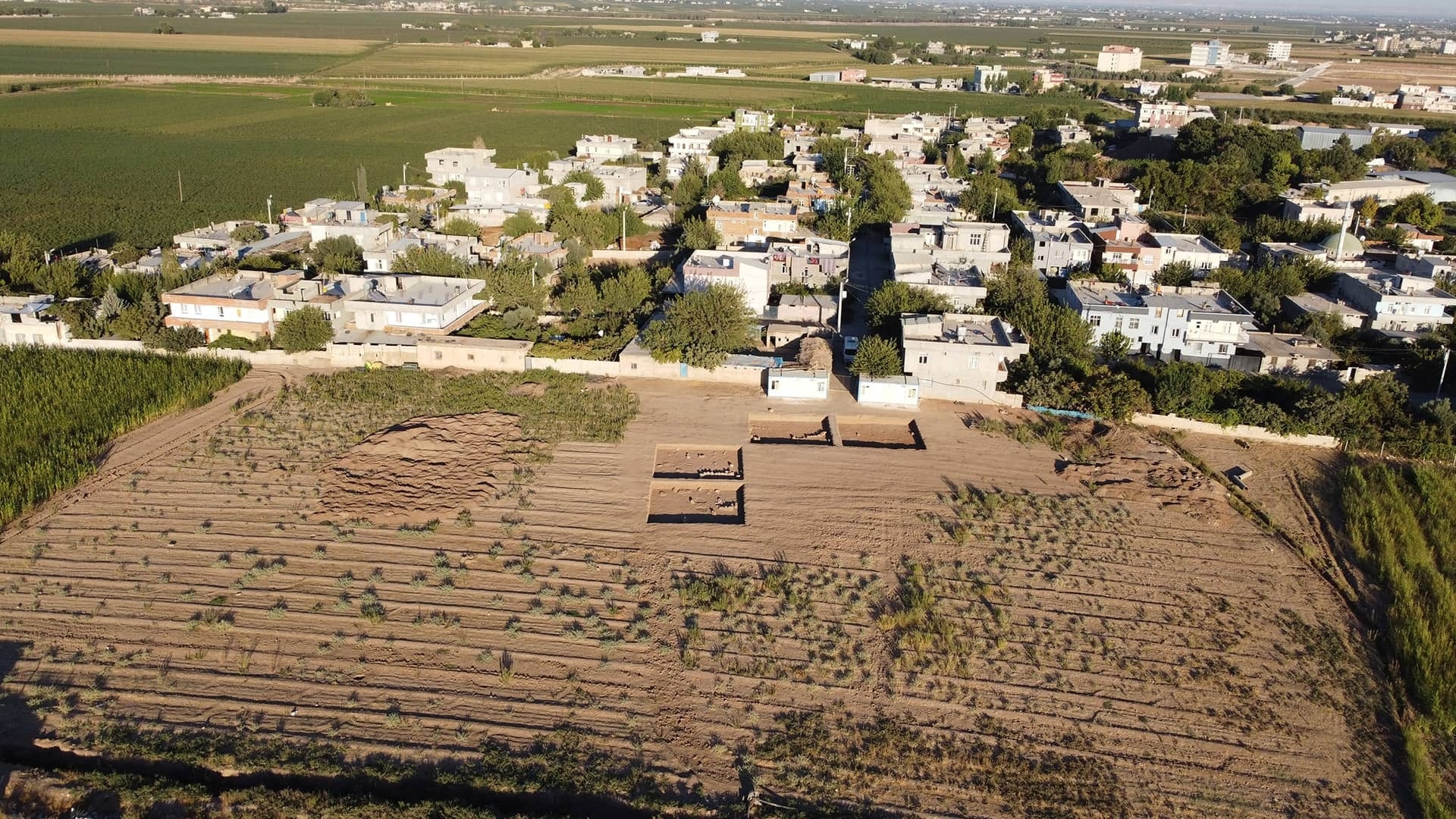
The first settlement in Sayburç, which is 19 km away from the city center of Şanlıurfa, took place in the Pre-Pottery Neolithic Period, the area was settled again later in the Roman Period, and the village known as Sayburç was established in the 1950s. This cultural continuity observed in the settlement emphasizes that this is a living mound.
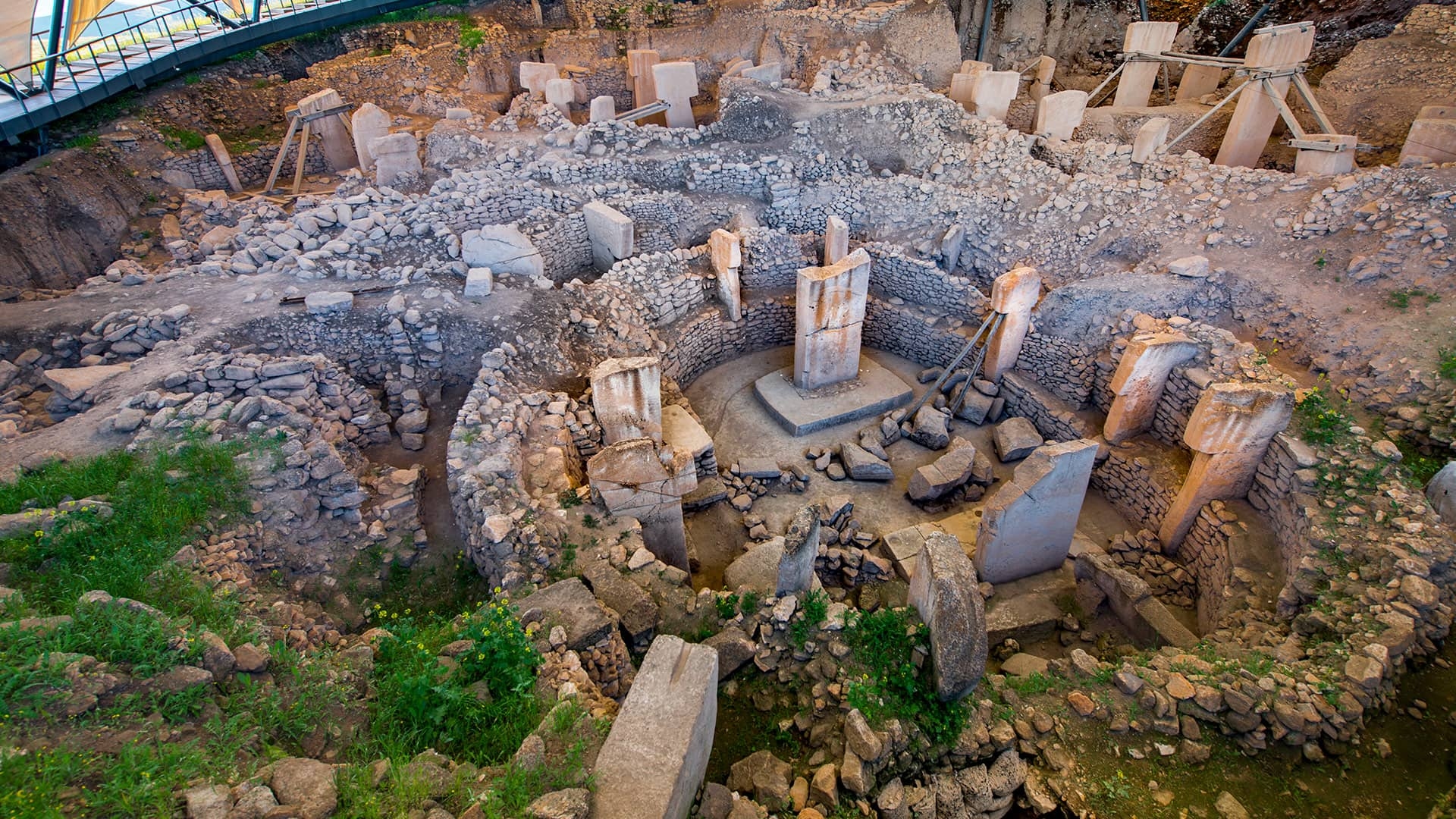
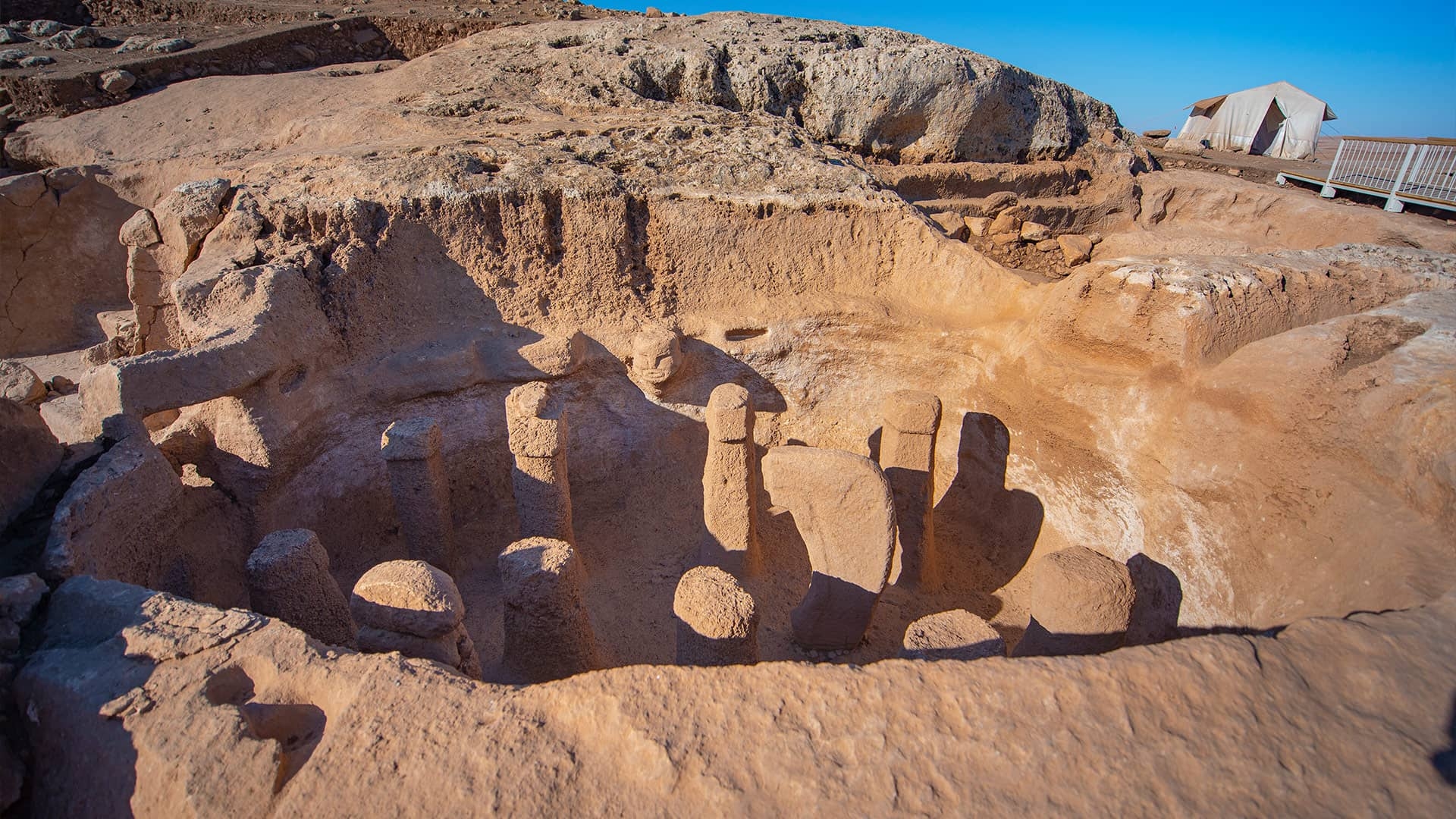
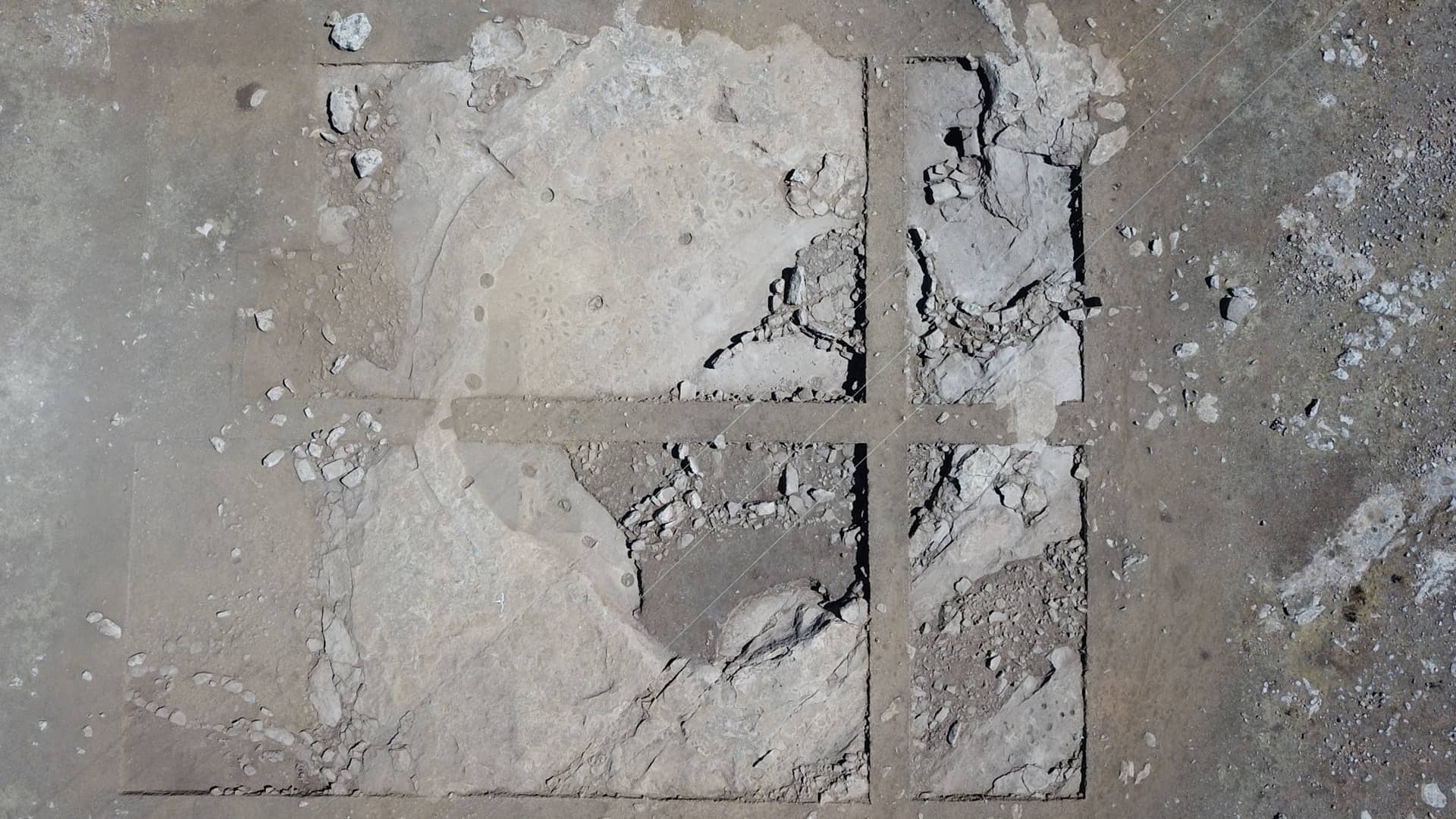
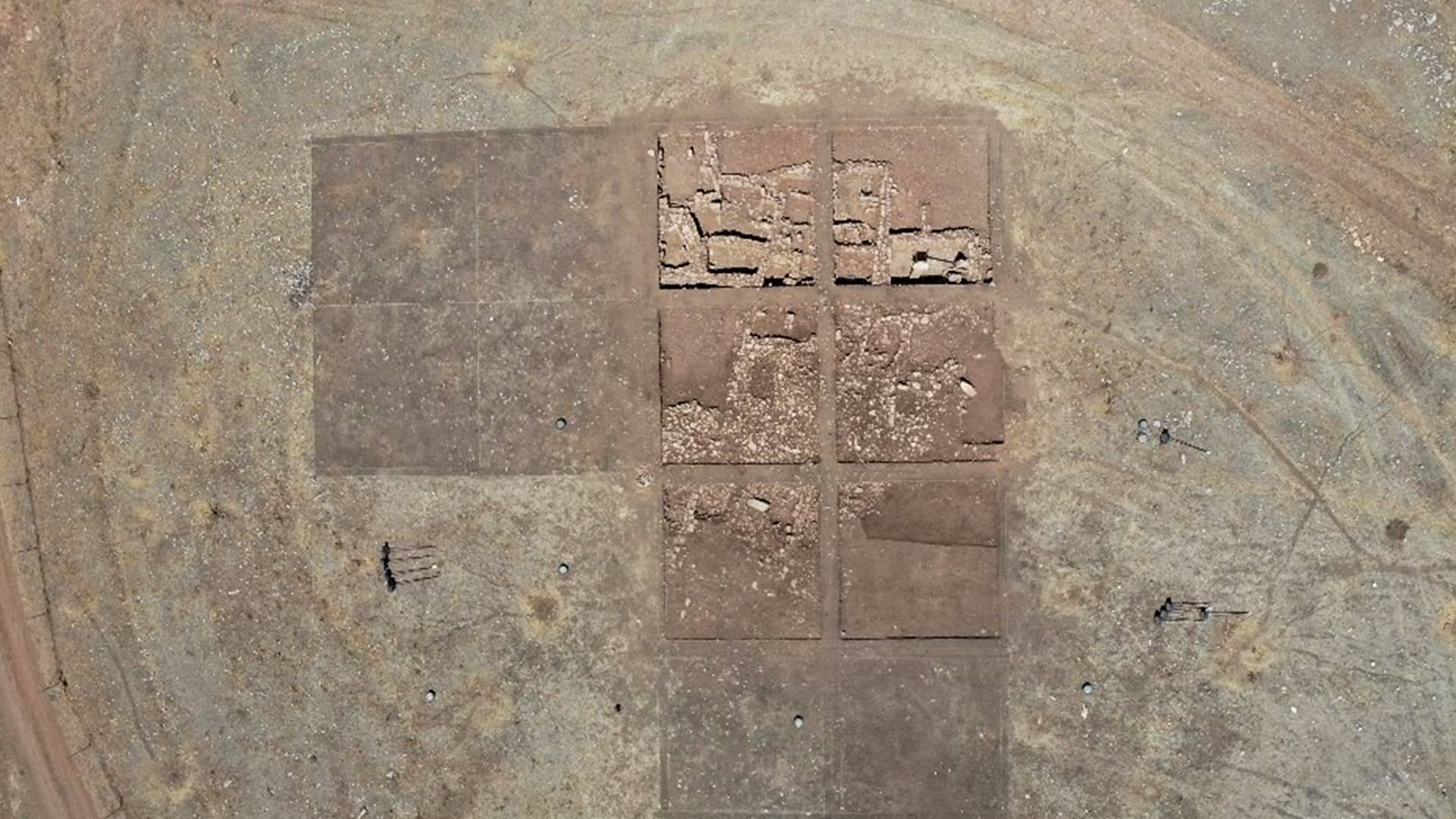
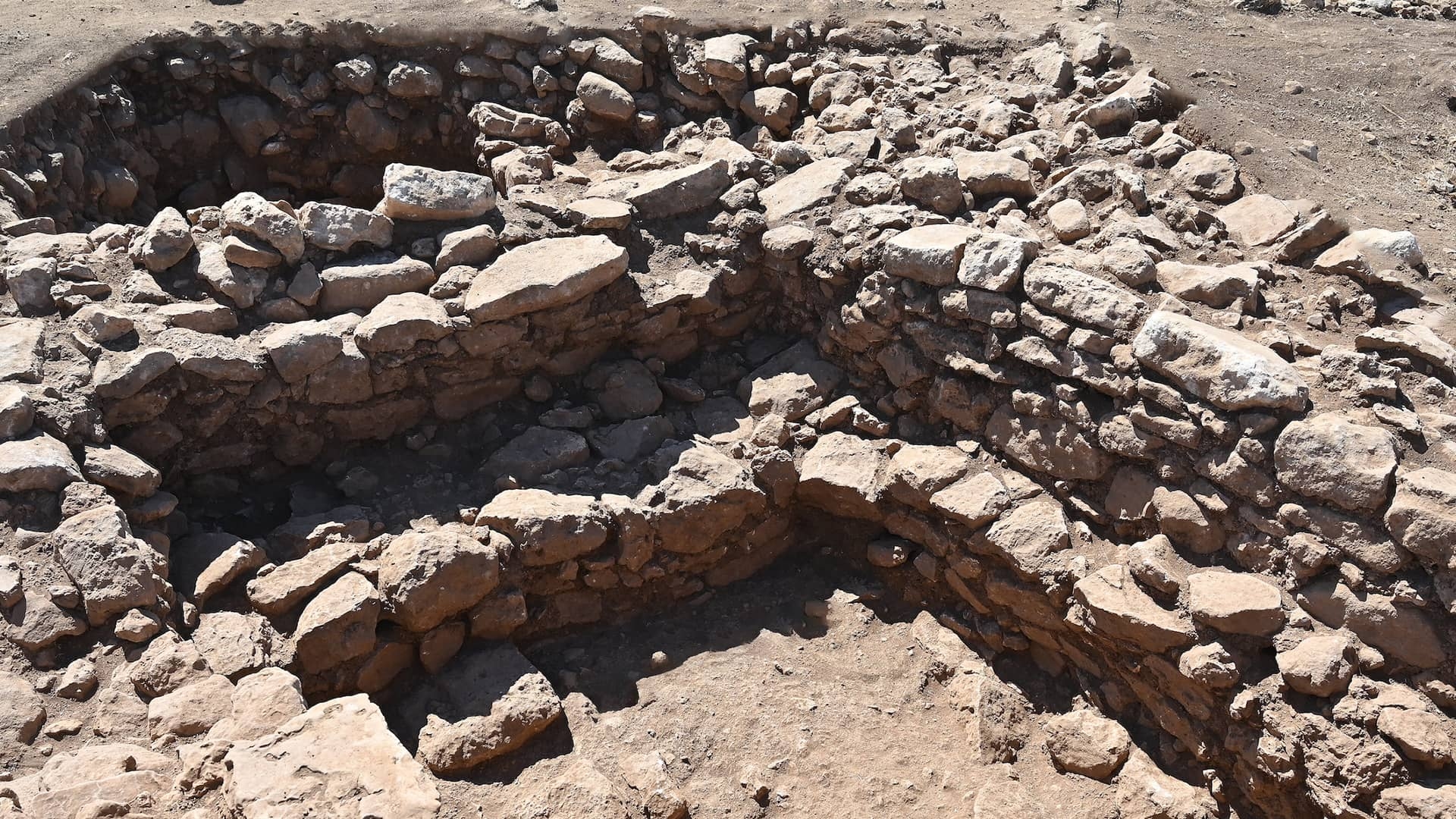
There are two Neolithic settlements, one to the north and the other south of the modern village. In the north, on the southwest slopes of a small mound dating to the Roman period, structures built directly on the bedrock were found. One of the partially excavated structures has a circular plan, probably 15 m in diameter, with a base carved into the bedrock. This is a gathering place used for public purposes. The dimensions of the building, its base carved into the bedrock, its bench parallel to the wall and the obelisk nests on the bench are characteristic for the period and region. Undoubtedly, the most important feature of the building is the reliefs carved on the bench stretching along the wall. These reliefs consist of two men, two leopards and a bull figure. For the first time, these figures were depicted together to form a story in Sayburç.


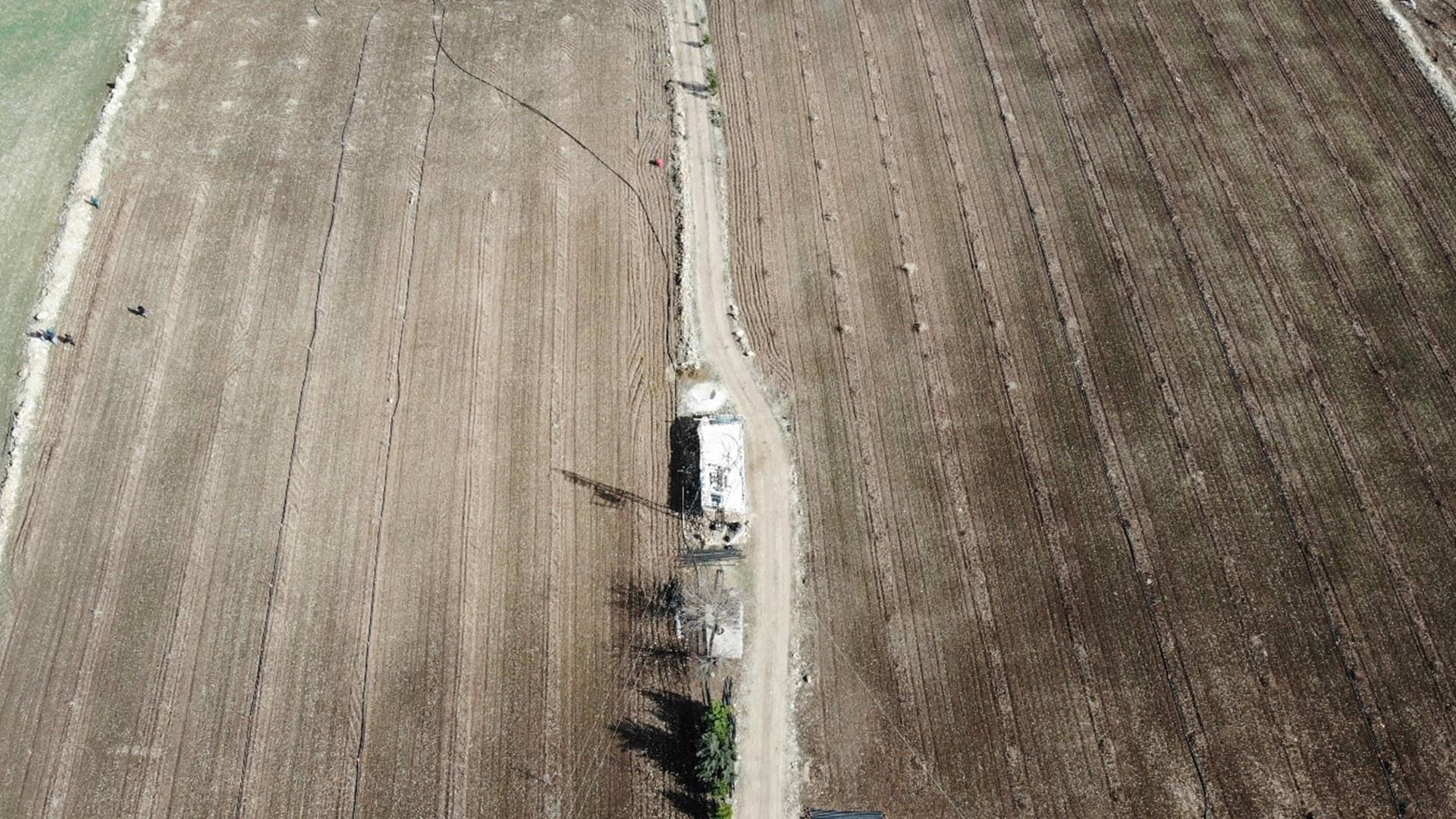
A residential area was identified in the south of the private buildings in the north. Contiguous structures built by adding to each other reflect the first applications of corner connection and rectangular plan and show that T-shaped obelisks are not only in public buildings but also in residences. Although the custom and monumental building tradition in the region is well known, evidence of daily life, which is not very detailed, is extensively researched in Sayburç.
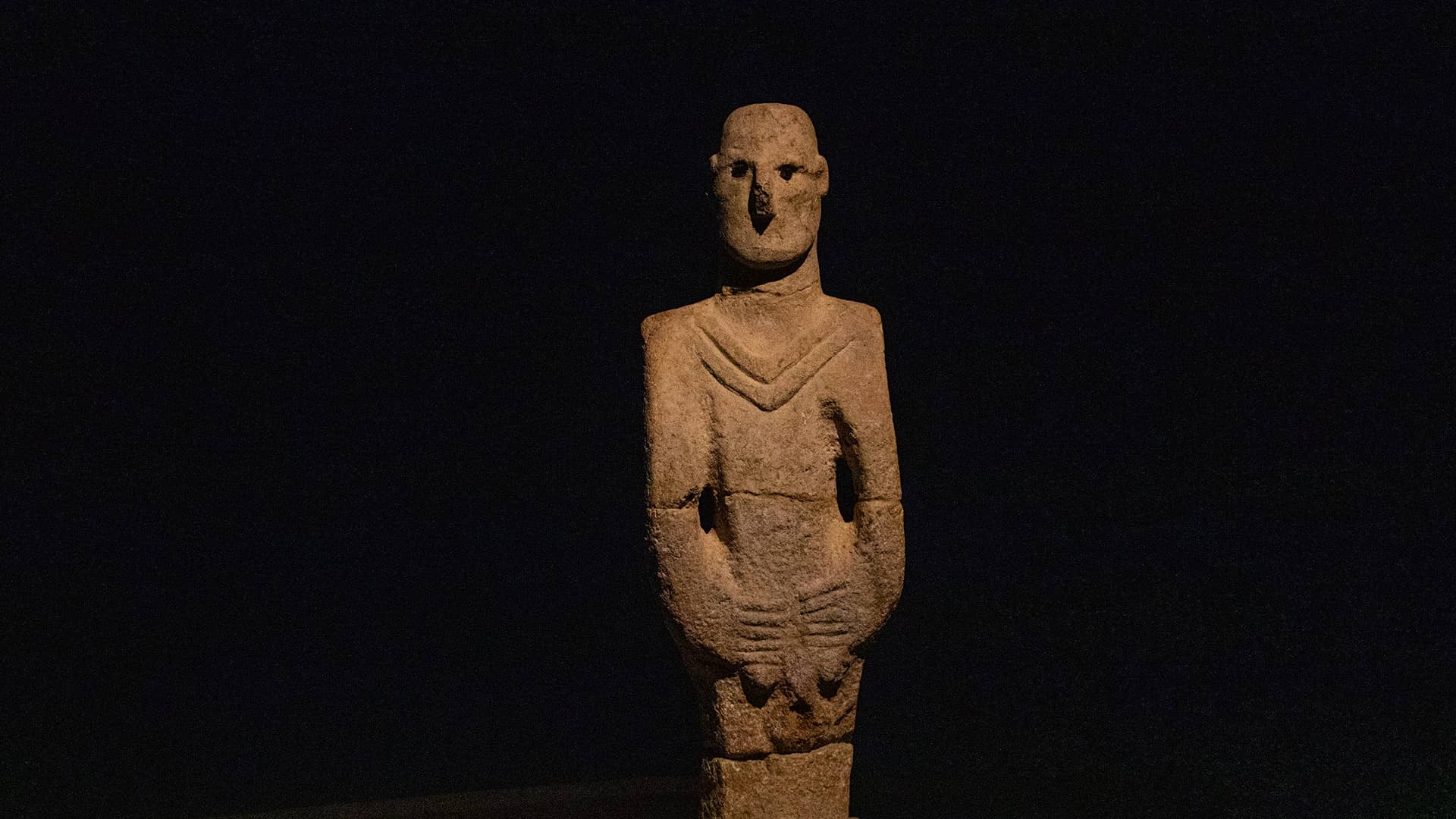
Excavations at Sayburç have so far revealed more than 50 structures dating to the Neolithic Period. One of the site’s most remarkable aspects is its ability to document architectural transformations of the era in an uninterrupted sequence. Among the latest discoveries, a striking statue—whose facial features evoke the image of a deceased individual—stands out prominently. The figure’s pronounced ribcage, its mouth depicted as if sewn shut, and its eyes seemingly filled with shell-like elements present a uniquely expressive example of Neolithic funerary symbolism. Specialists suggest that this emphasis on the mouth and eyes may reflect ritual concepts related to the identity, memory, and continued presence of the dead among the living. The statue uncovered at Sayburç offers an unprecedented insight into early mortuary practices and symbolic representation.